




 Article Content
A merchant account is a bank account where businesses receive payments through a debit or a credit card for goods and services they provide. A merchant account involves a merchant bank, a payment processor, and the business. When customers pay for goods and services with a debit or credit card, money is first deposited into the merchant account, where the transaction is processed. Then after a few days, the money is transferred from the merchant account into the business account.
E-Commerce Growth
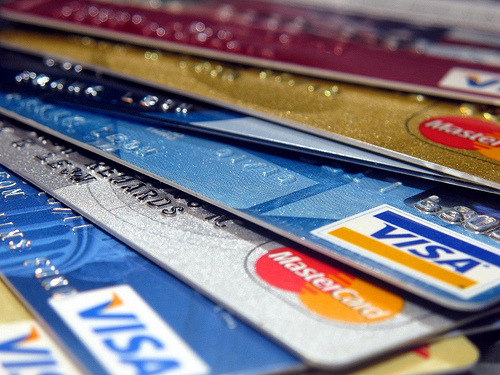
Image via Flickr by frankieleon
E-commerce is rapidly growing as more people embrace it, due to the ease of buying and selling goods and services online. According to a study published by the U.S. Department of Commerce, from 1998 to 2017, e-commerce sales have grown nine times faster than conventional in-store sales.
International Business
Merchant accounts benefit small businesses with an online presence, allowing them to engage in e-commerce across international borders. Small businesses with merchant accounts that allow customers to pay through multiple currencies are also competitive internationally. Paying through multiple currencies makes international customers avoid foreign transaction and foreign exchange charges, since they pay in their local currency.
Fraud Elimination
Fraud during payments is a major concern for businesses. A study by the Association for Financial Professionals showed that 75 percent of U.S. businesses experienced check fraud in 2016. But with merchant accounts, fraud issues like bouncing checks or fake currency are eliminated. Customers get their goods and services only after the payment processor, electronically ascertains that they got funds in their accounts, to pay for them.
Accounting Efficiency
Accounting errors are more likely to occur in businesses handling high volume reconciliations manually. But for businesses that open a merchant account, such errors are unlikely to happen. Transactions are tallied electronically by software, which also prepares an inventory showing gross revenues. Consequently, cash flow management is efficient and organized even for small businesses.
Customer Retention
Merchant accounts increase customer satisfaction due to the ease, safety, and urgency with which payments are made. The convenience they offer also improves customer retention for small businesses, embracing this payment mode. A study by management consultancy firm Bain and Company showed that a 5 percent increase in customer retention raises profits by over 25 percent.
Sales Increase
Studies have shown that businesses using credit cards as payment means are more likely to increase their sales than those accepting cash. A 2017 research by Canadian CGI Group, reports that debit and credit cards payments will dominate cash payments by 2022. According to Mercator Advisory Group, the U.S. small business credit card market segment is worth $500 billion. Small businesses that open a merchant account are likely to be profitable, since customers feel less guilt when purchasing with credit cards than with cash.
Small business hoping to flourish in today’s world need to embrace e-commerce and merchant accounts, since they make receiving payments easy and a low-risk business affair. Customers only get their goods or services when there is a guarantee they can pay for them, which makes a business more financially secure in the long term.
Leave a Reply